
Blocked drains are one of the most common issues homeowners face, often turning into bigger problems if left unattended.
Whether it’s a slowly draining sink or a backed-up shower, the inconvenience can disrupt your day-to-day life.
The good news? You can take simple steps to prevent blocked drains and keep your plumbing flowing as it should.
This guide covers practical and easy-to-follow tips to help you avoid clogged drains. From smart drain habits to routine inspections, these tips are designed to give you peace of mind and a healthier plumbing system.
That’s why choosing a trusted blocked drain solution is the best move.
Why Should You Care About Stopping Blocked Drains?
Preventing blocked drains is about more than just convenience. Clogs can lead to water damage, foul smells, and even costly plumbing repairs.
Many homeowners don’t realise that consistent habits can reduce the likelihood of these issues. By understanding how to stop drains from blocking, you protect your home and save money in the long run.
Beyond repairs, blocked drains also pose health risks. Stagnant water from clogged pipes can become a breeding ground for harmful bacteria, potentially affecting air quality and leading to illnesses.
Simple preventative steps also mean fewer emergency callouts and more control over your home maintenance. It’s part of smart home plumbing care that every homeowner can benefit from.
1. Watch What You’re Putting Down Your Sink
The kitchen and bathroom are the two most common places where drain blockages begin. It’s important to know what should and shouldn’t go down the drain:
- Kitchen: Avoid pouring cooking oil, grease, or food scraps down the sink. These materials can solidify and cling to pipe walls.
- Bathroom: Hair, soap scum, and hygiene products can build up quickly in pipes.
Using sink strainers and being cautious about what you wash down are simple yet effective drain maintenance tips.
Make it a habit to scrape food waste into the bin and dispose of grease in a separate container.
If you’re unsure what’s causing a blockage, EVR Plumbing can inspect your system and give tailored advice.
2. Use Strainers to Catch Hair and Food Before They Block Your Pipes
Installing strainers is one of the easiest and most affordable ways to prevent blocked drains. These tools catch debris before it enters your plumbing system:
- In the bathroom: Hair catchers can be placed in shower and bathtub drains to prevent hair and soap scum build-up.
- In the kitchen: Sink strainers help capture food particles that would otherwise go down the drain.
Clean them regularly to ensure they work properly. This small addition to your routine can save you from larger issues down the line.
EVR Plumbing can recommend the right strainers for your home if you’re unsure where to start.
3. Want a Simple Fix? Try Natural Cleaning Methods Weekly
Chemical drain cleaners might seem like a quick fix, but they can damage your pipes over time. Instead, try natural cleaning methods to maintain your drains:
- Pour a mixture of hot water, baking soda, and vinegar down your drains once a week.
- Let it sit for 10–15 minutes before flushing with more hot water.
This method is safe, eco-friendly, and effective at breaking down minor build-ups, helping you avoid clogged drains without harming your plumbing.
For more serious or recurring build-up, EVR Plumbing’s experienced plumbing team can provide professional cleaning services.
4. Book Drain Inspections: Don’t Wait Until It’s Too Late
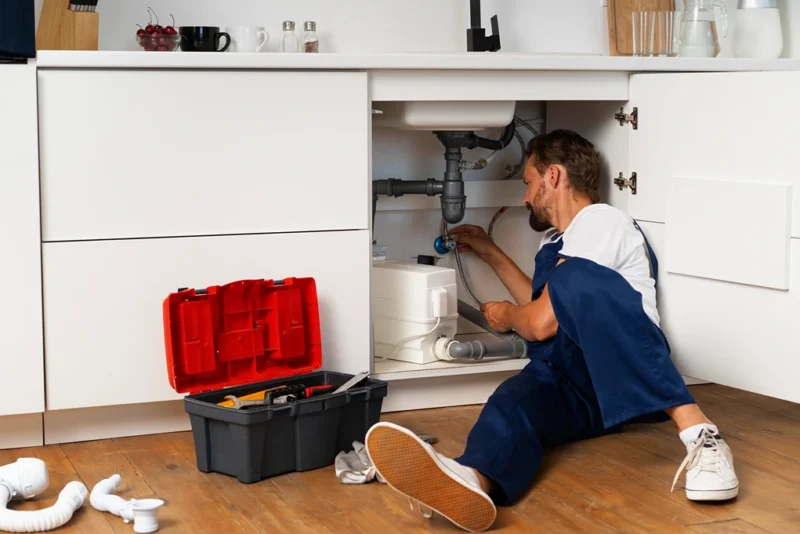
Even with the best care, some blockages develop deep within your plumbing system. That’s where professional drain inspections come in.
Licensed plumbers can:
- Spot early signs of blockages before they become severe.
- Use specialised equipment like drain cameras to inspect areas you can’t see.
- Provide tailored advice for your home’s plumbing system.
Regular checks are a key part of home plumbing care and can give you confidence that your system is in good shape.
In fact, the rules that govern plumbing and drainage work in Australia are set out in national plumbing standards.
5. Only Flush the Right Stuff
Toilets are designed for human waste and toilet paper only. Flushing other items may seem harmless, but it can lead to serious blockages.
Avoid flushing:
- Wet wipes (even those labelled “flushable”)
- Cotton balls and pads
- Tissues, paper towels, and sanitary products
Teach everyone in the household what should and shouldn’t go down the toilet to maintain a healthy system. This simple practice can help avoid plumbing issues and prevent clogs.
6. Get Into the Habit of Flushing Drains With Hot Water
An easy weekly habit is to flush your drains with hot water. This helps dissolve grease and clears small debris before it builds up.
- Use boiling water in the kitchen to break down cooking fats.
- In the bathroom, hot water helps wash away soap scum and residue.
This simple step, part of good home plumbing care, can go a long way in keeping your drains clear.
Ready to Keep Your Drains in Top Shape?
Preventing blocked drains doesn’t require major effort, just consistent and mindful habits. From keeping debris out of your drains to scheduling occasional check-ups, these steps can make a big difference.
If you’re noticing slow drains or want peace of mind, EVR Plumbing is here to help. Our team is experienced, reliable, and ready to keep your home in top condition.
You can schedule a service with our team to get expert help and personalised solutions.